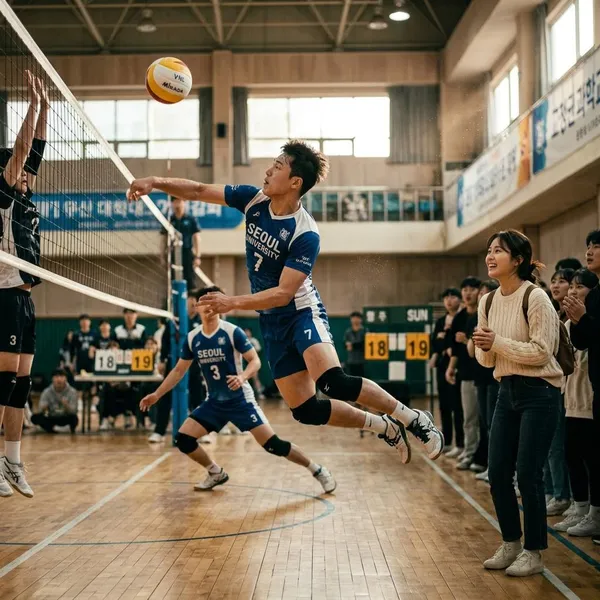
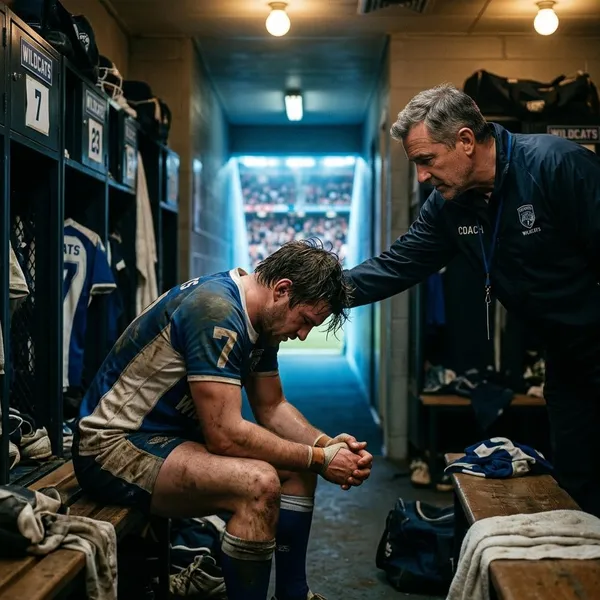
A youth sports drama is basically a coming-of-age story where sport puts a young character under pressure fast. The game gives the story clear stakes, but the real reason it works is usually the emotional test: a parent expects too much, a teammate becomes a rival, an injury changes everything, or a teenager has to decide who they are beyond the scoreboard.
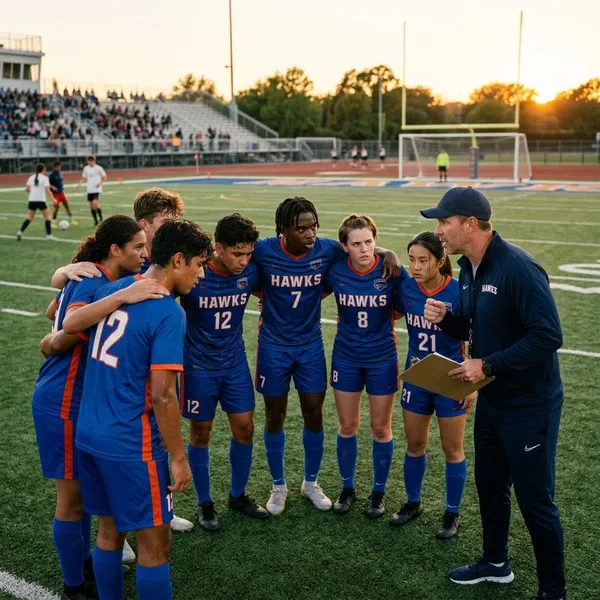
What Defines a Youth Sports Short Drama?
The easiest way to recognize this type of story is to check whether the sport is driving both the plot and the character's emotional growth. If the sport could be removed without changing much, it is probably just a teen drama with athletic scenes. In a true youth sports short drama, practices, games, tryouts, injuries, and team roles shape what the young character wants and fears.
Short dramas also need a tighter focus than a long sports series. They usually center on one pressure point: making the team, losing confidence, clashing with a parent, recovering from a setback, or learning to trust someone else. That narrow focus is what makes the format feel immediate instead of stretched thin.
- Most important: the athlete's emotional change should be clear.
- Secondary: the sport should create visible stakes, not just background action.
- Optional: romance, school life, or family issues can appear if they sharpen the main conflict.
Young Athletes Lead the Story
The main character is usually a child, tween, or teenager, and that age matters. A missed shot, a bad race, or a spot on the bench can feel enormous when a young person is still building confidence and identity.
For a casual viewer, this is often the hook. You do not need to care deeply about basketball, swimming, soccer, skating, or any other sport to understand the feeling of being judged in public. The athlete's age makes the pressure more personal because they are still learning how to handle embarrassment, jealousy, praise, and disappointment.
Sports Shape Their Goals and Struggles
Sport should affect the character's daily choices: when they train, who they spend time with, how they see themselves, and what they think failure means. A swimmer may become obsessed with seconds on a clock, while a basketball player may read every coaching decision as a judgment of their worth.
Short Episodes Follow Their Growth
Short episodes work best when each one has a clear emotional turn. One episode might show a player losing their starting spot; another might show the awkward apology after a selfish play. The story does not need a huge tournament every time. It needs a moment that changes how the athlete sees themselves or the people around them.

What Conflicts Drive Youth Sports Stories?
The strongest conflicts usually come from the pressure around the sport, not only from the final score. A team can lose a game and still tell a hopeful story, or win a game while the main character feels worse than before. That gap between performance and emotion is where the drama often lives.
For younger viewers, lighter conflicts such as friendship tension or fear of tryouts may be enough. For older teen stories, the conflict can become sharper: burnout, injury, parent pressure, jealousy, or the question of whether the sport is still worth the cost. The mistake to avoid is treating every problem as equally dramatic. A believable story shows which pressure is actually hurting the character most.
Parents Push for Results
Parent pressure is believable because it often starts with good intentions. A parent may think they are teaching discipline, but the young athlete hears, "You are only valued when you perform well." That difference creates quiet tension before any big argument happens.
This conflict is strongest when it avoids making the parent a cartoon villain. A post-game lecture, constant comparison with other players, or repeated comments about "wasted potential" can be enough. The practical warning is clear: if every conversation after a game becomes an evaluation, the sport stops feeling like a place to grow.
Teammates Compete for Starting Spots
Team rivalry works because both characters may be understandable. One player wants to keep a role they earned; another wants a chance to prove themselves. Neither has to be cruel for the situation to hurt.
- Low-stakes version: two friends compete for the same position and become awkward around each other.
- Higher-stakes version: jealousy damages team trust before an important match.
- Best payoff: the athletes learn whether ambition can exist without turning every teammate into an enemy.
Injuries Threaten Athletic Dreams
An injury raises the stakes quickly because it interrupts both routine and identity. The young athlete may worry about pain, but they may also fear being forgotten, falling behind, or losing the one thing that made them feel special.
A careful story should not treat injury as just a dramatic shortcut. It works better when recovery changes the character's relationships: who checks in, who only cared about performance, and whether the athlete can still feel valuable while they are not competing.
Training Clashes With School and Friendships
This conflict feels real because it does not require anything extreme. A teen can love their sport and still be tired of missing birthdays, rushing homework, or feeling guilty whenever they rest.
One useful scenario is the student who trains seriously but is not aiming for a professional future. For that character, the question is not "How do I sacrifice everything to win?" but "How do I stay committed without letting one activity swallow my whole life?" That is often a more relatable drama than another oversized championship plot.

How Do Young Athletes Grow Through Sports?
Growth in these stories should feel earned, not magically solved by one speech from a coach. Young athletes usually change because pressure forces them to choose: blame others or reflect, hide their fear or speak up, chase approval or set a healthier goal.
The most satisfying arc is not always a championship win. Sometimes the better ending is smaller: a player asks for help, supports a rival teammate, returns after an injury with patience, or finally tells a parent that the pressure is too much. Those choices make the sports setting feel meaningful instead of decorative.
They Learn to Handle Defeat
Defeat is often the cleanest test of character. A young athlete may blame the referee, avoid teammates, snap at a parent, or decide they are "just bad" after one poor performance. The growth comes when they can admit the loss hurt without turning it into their whole identity.
For a short drama, this does not need a long recovery arc. One honest scene after a loss can do a lot: reviewing what went wrong, apologizing for a reaction, or choosing to show up at the next practice instead of quitting in embarrassment.
They Build Trust With Teammates
Trust is more than being friendly. It means passing the ball when someone else has a better chance, accepting a role that is not glamorous, or backing up a teammate after a mistake. In youth sports, that can be hard because everyone is still trying to be noticed.
A strong team-growth moment is usually practical rather than sentimental. The selfish player makes the pass. The quiet teammate speaks up. The rival offers help before a big match. Small actions make the change believable.
They Find Their Voice Under Pressure
Many young athletes start by staying silent because they do not want to disappoint adults or look weak in front of teammates. Finding their voice may mean asking a coach what they need to improve, telling a parent that criticism is making things worse, or admitting they are scared to come back after an injury.
This is where the drama can feel especially personal. Speaking up does not turn the character into a perfect leader overnight. It simply shows they are beginning to understand their own limits, needs, and goals.
They Set Goals Beyond Winning
Winning can matter without being the only measure of success. A healthier goal might be returning from injury safely, becoming more consistent, rebuilding confidence, or enjoying the sport again after months of pressure.
This is especially important in stories about younger teens. If every adult treats each game like a life-changing audition, the message becomes exhausting. A better youth sports short drama allows ambition, but it also shows that a young person needs room to grow without being reduced to results.
Conclusion
A good youth sports short drama uses competition as the spark, not the whole fire. The story works when the viewer can see what the young athlete is really fighting for: confidence, balance, trust, independence, or the courage to keep going after a setback. If the sport creates pressure and the character comes out understanding themselves better, the drama has done its job.