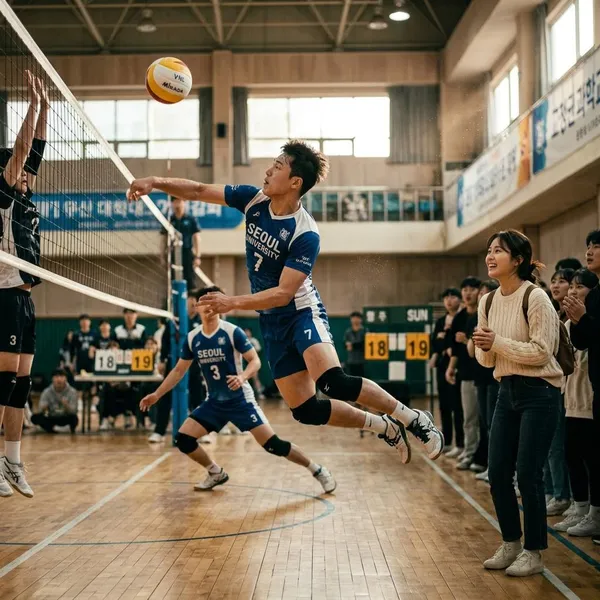
A sports drama definition is simple: it is a story where athletic competition drives the plot, and personal conflict makes that competition matter. The quickest test is to ask whether the sport could be removed without changing the story. If the answer is no, and the character's emotional struggle is tied to performance, pressure, injury, teamwork, or ambition, it is probably a sports drama.
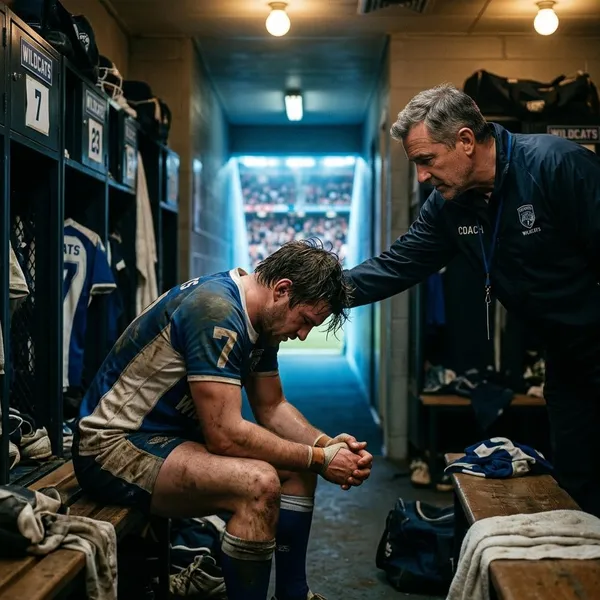
What Does Sports Drama Mean?
Sports drama means more than "a story with athletes in it." The sport has to shape the main conflict, the timeline, and the character's choices. A final match, tryout, race, comeback, or team selection is not just scenery; it is the pressure point that forces the character to change.
The emotional side is just as important. A win may mean proving independence, keeping a scholarship, earning respect, or rebuilding confidence after failure. A loss may still matter if it helps the character accept a new path or repair a relationship.
A useful way to classify a story is to check three things:
- Sport controls the plot: the main events depend on training, competition, selection, injury, or team dynamics.
- The stakes go beyond the score: the result affects identity, family, love, status, or future opportunity.
- The ending connects sport and emotion: the athletic result reveals something meaningful about the character.
Sport Drives the Main Story
In a sports drama, the sport gives the story its engine. A boxer preparing for one last fight, a runner trying to qualify, or a reserve player fighting for a starting spot all have clear goals because the sports world creates deadlines, rankings, rules, and public results.
If the same story could become a school drama, office drama, or romance with only minor changes, the sport is probably too weak. In a true sports drama, removing the athletic goal would break the main plot.
Personal Conflict Gives the Competition Meaning
The competition matters because it carries emotional weight. A match can stand for forgiveness, self-respect, redemption, or the fear of becoming irrelevant. That is why a simple missed shot can feel dramatic when it affects a character's future, confidence, or relationship with the team.
What Makes a Short Drama a Sports Drama?
A short drama becomes a sports drama when the athletic goal stays central from start to finish. Because the format is compact, the story usually focuses on one decisive pressure point: a tryout, a final race, a comeback attempt, a team conflict, or a coach's difficult choice.
The shorter the drama, the less room there is for decorative subplots. A ten-minute story can still feel complete if it captures one meaningful turn: an athlete chooses to compete despite fear, a team finally trusts a new member, or a coach realizes winning is not worth damaging a player.
Athletic Goals Shape the Plot
The clearest sign is a concrete athletic target. The character may need to make the team, win a place in the final, recover in time for a match, or prove they can still perform under pressure. That target gives the audience an immediate reason to keep watching.
In a short drama, this is especially useful. A single tryout can replace a whole season if the stakes are sharp enough. The viewer does not need every training detail; they need to understand what the character wants, what blocks them, and why the result matters.
Training and Setbacks Test the Characters
Training scenes work best when they reveal more than effort. Hesitation during contact, a repeated mistake, or a refusal to pass the ball can show fear, pride, grief, or distrust without spelling it out.
- Physical setback: injury, fatigue, loss of form, or fear of re-injury.
- Mental setback: pressure, self-doubt, burnout, or shame after failure.
- Team setback: jealousy, poor leadership, clashing roles, or broken trust.
Sports Pressure Affects Life Beyond the Game
Sports pressure becomes dramatic when it spills into ordinary life. A player may neglect school, pull away from family, argue with a partner, or become obsessed with proving themselves. The sport is still central, but the damage or growth appears outside the field too.
This is where many strong short dramas find emotional force. A low-risk scenario might be a student athlete nervous about one trial. A higher-pressure scenario might involve a scholarship, family expectations, or a career-ending injury. Both can work, but the second needs more careful emotional handling because the consequences are heavier.
Common Sports Drama Storylines
Sports dramas often use familiar storylines because sport naturally creates visible tests: stronger opponents, painful recovery, team conflict, and personal sacrifice. The difference between a flat version and a memorable one is specificity. The audience should know not only what the character wants to win, but what they are afraid of losing.
Classic examples include underdog teams, injured athletes, career-versus-love conflicts, and teammates learning to trust each other. These patterns work in films, series, and short dramas because they turn competition into a clear emotional test.
An Underdog Team Takes on Stronger Rivals
An underdog story usually starts with a weaker team facing opponents with better funding, stronger reputations, or more experience. The appeal is not just the possibility of an upset. It is watching a group become more disciplined, less divided, and more believable as a team.
The final result does not always need to be a miracle win. Sometimes the stronger ending is a narrow loss that proves the team has changed. That can feel more honest than forcing a trophy the story has not earned.
An Injured Athlete Fights to Return
Injury creates instant drama because it threatens the athlete's body, routine, status, and identity at the same time. A good comeback story does not rush straight from pain to victory. It gives space to fear, impatience, and the uncomfortable possibility that the athlete may need to return differently, not perfectly.
A Player Balances Love and Career
This storyline works when romance complicates the athletic journey instead of replacing it. A partner may offer stability, challenge the athlete's priorities, or reveal how much of the character's identity depends on winning.
For classification, ask what carries the main climax. If the biggest question is whether the athlete can perform, it leans sports drama. If the biggest question is whether the couple stays together, it leans sports romance.
Teammates Learn to Trust Each Other
Team sports are built for drama because talent alone is not enough. A selfish star, a nervous newcomer, a resentful captain, or a divided locker room can damage performance as much as a stronger opponent.
Trust becomes convincing when it appears through action: a pass made at the right moment, a player accepting a quieter role, or someone covering for a teammate's mistake. Those small choices often say more than a speech about teamwork.
Sports Drama vs Sports Romance
The difference between sports drama and sports romance is narrative priority. Sports drama puts the athletic struggle first. Sports romance puts the love story first. Many short dramas mix both, so the best check is to ask which part would hurt the story more if it disappeared.
| Story focus | Usually sports drama | Usually sports romance |
|---|---|---|
| Main question | Can the athlete or team face the pressure? | Can the relationship survive or deepen? |
| Sport's role | Drives the plot and climax | Creates setting, tension, or obstacles |
| Ending emphasis | Performance, growth, identity, or team change | Emotional commitment or romantic resolution |
Sports Drama Puts Athletic Struggles First
A sports drama may include love, family, or friendship, but the athletic path remains the spine of the story. The climax usually happens through a match, race, performance, selection decision, or sports-related sacrifice.
Sports Romance Puts the Love Story First
Sports romance uses the athletic setting to shape a relationship. The character may be a footballer, skater, swimmer, or coach, but the emotional payoff depends mostly on love, trust, reunion, or commitment.
That does not make the sport irrelevant. It may create distance, jealousy, career pressure, or timing problems. The difference is that the relationship carries the strongest dramatic weight.
Some Short Dramas Give Both Equal Weight
Some stories are true hybrids. A skater may be preparing for a career-defining performance while a relationship reaches a breaking point, and both conflicts may resolve in the same final sequence.
When both strands are necessary, strict labeling matters less. The story works if the sport is not just decoration and the romance is not just filler. Each should change the character's choices in a visible way.

Conclusion
A sports drama works when the game, race, routine, or match is tied to something personal enough to matter after the result is known. Look first at what drives the plot, then at what the outcome means for the character. If the sport creates the pressure and the drama gives that pressure emotional meaning, the story fits the genre.